Can Over-Fertilizing Damage Your Lawn and How Can You Fix It?
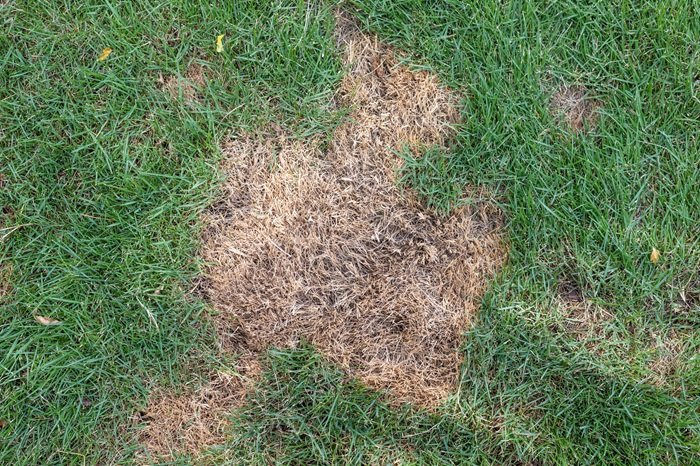
Fertilizer is designed to strengthen turf, deepen color, and promote steady growth. Yet when applied in excess, it can quickly turn from helpful to harmful. Many homeowners are surprised to learn that over-fertilizing can cause visible lawn damage within days. Instead of lush green grass, you may notice yellowing blades, brown streaks, brittle texture, or patches that appear scorched. These symptoms are not cosmetic issues alone—they reflect chemical stress at the soil and root level that can weaken turf long after the surface damage appears.
Understanding how fertilizer burn develops, how it affects soil chemistry, and how to correct it requires a careful look at lawn biology and nutrient management. Doehling Landscape has long emphasized that proper nutrient balance is critical for sustainable turf health, especially when using concentrated products such as fertilizer treatments. In the sections ahead, we will examine how to identify the signs of over-fertilized grass, what excessive nutrients do to soil and root systems, what immediate corrective steps are most effective, when reseeding becomes necessary, and how to prevent recurrence through sound application practices and seasonal timing.
Signs of Over-Fertilized Grass: How to Identify Fertilizer Burn and Turf Stress
Over-fertilized grass often shows symptoms within a few days of application, especially when high-nitrogen products are spread unevenly or applied at excessive rates. One of the earliest signs is fertilizer burn, which appears as yellow or brown streaks that follow the pattern of the spreader. These streaks form because nitrogen salts draw moisture out of grass blades through osmotic pressure, leading to cellular dehydration. The result is scorched leaf tissue that can resemble drought damage but occurs even when soil moisture is adequate.
Another clear indicator is rapid, excessive growth followed by thinning. While nitrogen promotes blade growth, too much can cause the grass to grow faster than the root system can support. This imbalance weakens turf density over time. You may also notice dark green patches adjacent to pale or burned areas, signaling uneven distribution. In severe cases, the soil surface may develop a white crust—evidence of salt accumulation from synthetic fertilizer components.
Soil imbalance is less visible but equally damaging. Excess nutrients disrupt the natural microbial activity that supports healthy turf. When nitrogen levels spike beyond plant uptake capacity, nutrient absorption becomes erratic, leading to secondary deficiencies. Professional fertilizer treatments are typically calibrated to turf type, soil conditions, and seasonal growth patterns to prevent this type of stress response.
How Excess Fertilizer Damages Soil Structure and Root Systems
Too much fertilizer alters soil chemistry in measurable ways. Most commercial fertilizers contain soluble salts. When applied beyond recommended rates, these salts accumulate in the root zone. High salt concentrations reduce the soil’s ability to regulate water movement, creating osmotic stress that prevents roots from absorbing moisture even when irrigation is sufficient. This process leads to root dehydration, a condition that mirrors drought stress but originates from chemical imbalance.
Salt buildup also interferes with nutrient exchange. Essential minerals such as potassium, calcium, and magnesium compete for uptake sites within the root membrane. When nitrogen or other elements dominate, nutrient lockout occurs. Grass may exhibit discoloration, weak stems, or poor recovery from mowing despite high fertilizer input. Long-term over-application can disrupt soil pH and damage beneficial microorganisms responsible for organic matter breakdown and nutrient cycling.
Compromised root systems result in shallow rooting depth and reduced anchorage. Turf becomes more vulnerable to heat, traffic stress, and disease pressure. In advanced cases, soil compaction increases because microbial structure declines. Restoring balance often requires flushing salts through deep irrigation and allowing soil chemistry to stabilize before introducing additional nutrients.
Immediate Steps to Repair Fertilizer Burn and Prevent Further Damage
The first corrective action after suspected over-fertilization is controlled irrigation. Deep, slow watering helps dilute and leach excess salts below the root zone. Water should penetrate at least 6–8 inches into the soil to effectively flush soluble compounds. Rapid surface watering is insufficient and may worsen runoff without correcting the chemical imbalance.
Mowing adjustments are equally important. Grass under nutrient stress should not be cut aggressively. Raising the mowing height reduces additional stress and allows the plant to allocate energy toward root repair. Clippings should be removed temporarily if visible salt residue remains on the soil surface. All fertilizer applications must stop until turf recovery is evident.
In moderate cases, recovery can occur within several weeks if soil moisture is properly managed. Severe burn, where grass tissue has completely died, may require removal of dead material and soil conditioning before reseeding. Patience is necessary; applying additional nutrients during recovery often intensifies the damage rather than correcting it.
When to Repair or Reseed Areas Damaged by Over-Fertilization
Determining whether to reseed depends on the severity of tissue damage. If grass blades are discolored but crowns remain intact, turf may regenerate naturally once salt levels decline. However, if the crown—the growing point at the soil surface—has turned brown and brittle, the plant will not recover. In these cases, reseeding becomes necessary to restore coverage.
Soil testing should precede any reseeding effort. A laboratory analysis can confirm whether nutrient concentrations and pH levels have stabilized. Attempting to reseed in chemically imbalanced soil often leads to poor germination or uneven establishment. Once conditions normalize, overseeding during optimal seasonal windows—typically early fall or spring depending on grass type—supports stronger root development.
Preparing the site involves lightly raking affected areas, improving soil structure, and applying seed at recommended densities. Adequate irrigation during germination is critical, but fertilization should remain conservative until seedlings are established. Healthy turf restoration relies on measured inputs rather than aggressive nutrient correction.
Preventing Over-Fertilization: Proper Rates, Timing, and Application Methods
Preventing fertilizer damage begins with understanding application rates. Every fertilizer product lists nitrogen content as a percentage. Calculating pounds of nitrogen per 1,000 square feet allows accurate measurement rather than estimation. Most cool-season lawns require between 2 and 4 pounds of nitrogen per 1,000 square feet annually, divided across seasonal applications. Exceeding this threshold increases burn risk.
Seasonal timing is equally important. Grass absorbs nutrients most efficiently during active growth periods. Applying high-nitrogen fertilizer during dormancy or extreme heat limits uptake and increases residual salt accumulation. Slow-release formulations reduce risk by delivering nutrients gradually rather than in concentrated bursts. Even distribution using calibrated spreaders prevents streaking and uneven color patterns.
Structured lawn care planning, such as programs outlined by Doehling Landscape, incorporates soil testing, seasonal scheduling, and measured nutrient delivery to minimize chemical stress. Careful planning protects soil biology, strengthens root systems, and supports steady turf growth without the setbacks associated with over-application.
Professional Lawn Care Support for Long-Term Turf Health
Managing nutrient balance requires precision, especially in regions with variable soil composition and seasonal weather extremes. Doehling Landscape provides science-based lawn management services designed to protect soil health while promoting consistent growth. Located at 3095 4th Ave E Shakopee, MN 55379, the team applies calibrated treatments tailored to turf species and site conditions.
If your lawn shows signs of fertilizer burn or nutrient imbalance, professional evaluation can prevent long-term soil damage. Contact Doehling Landscape at 952.445.4336 or visit their contact us page to request an assessment. Their comprehensive approach addresses fertilizer burn, soil stabilization, reseeding strategy, and preventative nutrient planning.