Common Mulch Installation Mistakes That Harm Plant Health
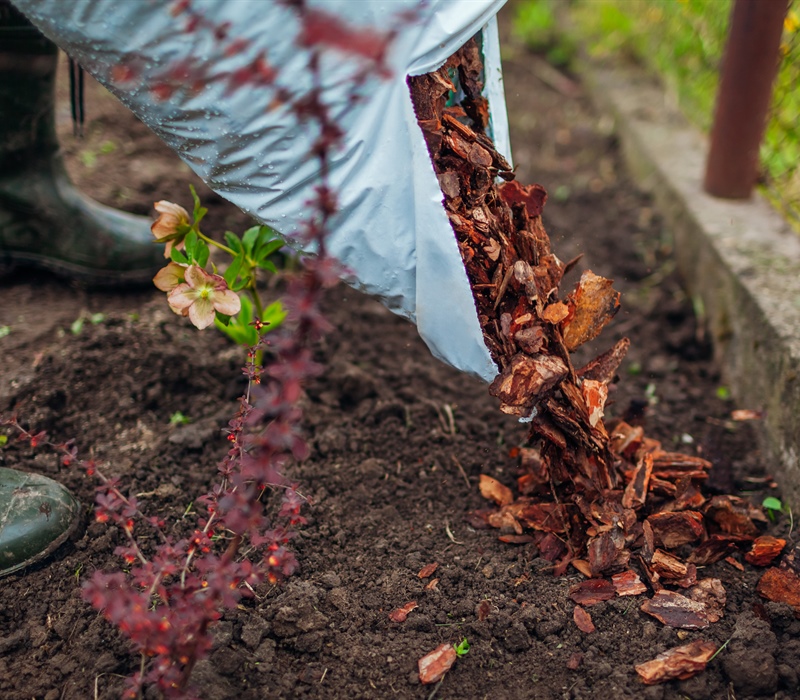
Mulch protects roots, moderates soil temperature, conserves moisture, and suppresses weeds—but only when it’s applied correctly.
Common mistakes like piling mulch too high around stems, using a material that robs nitrogen from the soil, or spreading over unprepared beds can trap moisture against bark, suffocate feeder roots, and disrupt soil biology.
At Doehling Landscape, we observe that otherwise healthy perennials, shrubs, and young trees decline due to errors in mulch installation, which create chronic stressors that invite pests and disease. A careful approach to depth, distance from trunks, product selection, and site prep prevents those avoidable problems and supports long-term plant vigor.
In the sections that follow, we’ll unpack high-impact mistakes that harm plant health and how to avoid them. Each topic focuses on practical, evidence-based guidance you can apply right away to protect your landscape.
Excessive Mulch Depth & Stem Contact Increases Risk of Disease & Rot
Applying mulch too thickly or mounding it directly against plant stems can suffocate root systems and trap excessive moisture. Research shows that mulch applied deeper than 3–4 inches prevents oxygen from penetrating the soil, leading to anaerobic conditions.
This creates the perfect environment for root rot pathogens such as Phytophthora, which thrive in saturated soils. Excess depth also disrupts natural gas exchange at the soil surface, stressing feeder roots and weakening plants.
When mulch directly touches stems, bark tissues remain damp and vulnerable. This constant moisture softens protective layers, making plants susceptible to crown rot and opportunistic fungi.
In trees and shrubs, “mulch volcanoes”—piles heaped against trunks—are strongly linked to girdling roots, bark decay, and reduced vigor. These issues not only hinder growth but also shorten the lifespan of landscape plants.
Keeping mulch layers at a uniform 2–3 inches and pulling it back 3–6 inches from the base of stems minimizes risk. By doing so, roots benefit from moderated soil temperatures and moisture conservation without the hazards of suffocation or decay. Proper mulch installation balances protection with aeration, ensuring plants remain healthy and resilient over time.
Trunk Contact With Mulch Promotes Bark Decay & Pest Infestation
When mulch is allowed to sit directly against plant trunks, bark tissues break down under constant dampness. This damage compromises the plant’s natural defense barrier and creates entry points for canker-causing fungi and bacterial pathogens.
In woody plants, decay often begins unnoticed beneath mulch layers and spreads upward, leading to structural weakness.
The microclimate created by trunk-contact mulch also attracts pests such as voles, which burrow into the warm, protected environment to feed on bark.
Insects like borers exploit softened tissue, accelerating decline. These hidden stressors weaken plants gradually, often going unnoticed until dieback is advanced. Trees and shrubs, especially young ones with thin bark, are at greatest risk.
To prevent this, mulch should always be pulled back to form a “donut” around the trunk rather than a mound. This practice keeps bark dry, protects the root flare, and discourages pest activity.
Routine inspections of beds help catch issues early, keeping plants healthier. A wide range of lawn services emphasize this standard because it reduces both pest damage and disease occurrence.
Poor Mulch Material Selection Causes Soil Nutrient Depletion
Not all mulches provide the same benefits, and some can negatively impact soil chemistry. Fresh hardwood chips are a prime example; as they break down, they draw nitrogen from the soil surface.
This process, called nitrogen immobilization, robs plants of an essential nutrient needed for leaf and shoot growth. The result is often yellowing foliage and stunted development in ornamentals and turf.
Mulches with high carbon-to-nitrogen ratios, such as sawdust or uncomposted bark, are especially problematic. Microbes responsible for decomposition require nitrogen, and they pull it directly from the surrounding soil to process carbon-heavy material.
Unless supplemental nitrogen is applied, this imbalance lingers for multiple growing seasons, weakening plant vigor.
Choosing composted organic mulch materials mitigates these risks. Well-aged wood chips, leaf mold, or shredded bark release nutrients gradually and support a diverse soil microbiome. By selecting the right materials, gardeners avoid nutrient depletion and instead foster long-term soil fertility that directly benefits plant growth.
Skipping Bed Preparation Leads to Persistent Weed & Disease Issues
Rushing mulch installation without clearing debris or weeds creates long-term problems that undermine plant health. Weeds left under mulch continue to grow, drawing moisture and nutrients away from ornamentals.
Some perennial weeds, such as quackgrass or bindweed, can push directly through mulch layers, making them even harder to control later.
Organic debris, like leaves or diseased plant matter left behind, becomes a breeding ground for fungi and harmful insects. Mulching over this material traps spores and larvae in an insulated environment where they thrive. The result is recurring disease outbreaks or pest infestations that stress new plantings and require chemical intervention to manage.
Proper preparation includes clearing beds of weeds, removing debris, and loosening compacted soil.
This step ensures mulch suppresses weed germination rather than protecting existing ones. Taking the time to prepare thoroughly prevents recurring maintenance issues and extends the functional benefits of mulch for the growing season.
Mulch Instability on Slopes Causes Displacement & Erosion
On sloped landscapes, improperly applied mulch is prone to sliding or washing away during rainfall. Displaced mulch exposes soil to erosion, which removes organic matter, reduces fertility, and destabilizes plantings. Bare soil also compacts quickly under rain impact, limiting water infiltration and further stressing root systems.
Steep grades amplify runoff velocity, carrying mulch into storm drains or onto walkways where it becomes both unsightly and hazardous.
The loss of mulch coverage diminishes weed suppression and moisture conservation, forcing more frequent reapplication and labor costs. Plants on these slopes often experience root exposure and drought stress as a result.
Mitigation strategies include using shredded mulch that interlocks better than large bark nuggets, applying thinner layers, and incorporating edging or retaining structures to hold material in place.
Regular monitoring after heavy rain ensures displaced mulch is redistributed quickly to maintain soil protection and plant stability. These practices prevent recurring erosion and help maintain the long-term effectiveness of mulch on challenging slopes, keeping landscapes sustainable even in difficult terrain.
Protecting Plant Health with Professional Mulching Practices
Healthy landscapes depend on careful preparation, thoughtful mulch selection, and precise installation. At Doehling Landscape, our team understands how these principles translate into healthier gardens and stronger plants.
From free estimate requests to ongoing seasonal services, we work with homeowners and businesses to design and maintain landscapes that flourish.
For homeowners in Shakopee and the surrounding areas, Doehling Landscape provides a trusted resource for comprehensive lawn and garden care. Visit us at Doehling Landscape or call us at 952-445-4336 to learn more about how we can transform your property with proven methods that protect plant health season after season.