How Does Mowing Height Affect Lawn Survival Through Winter?
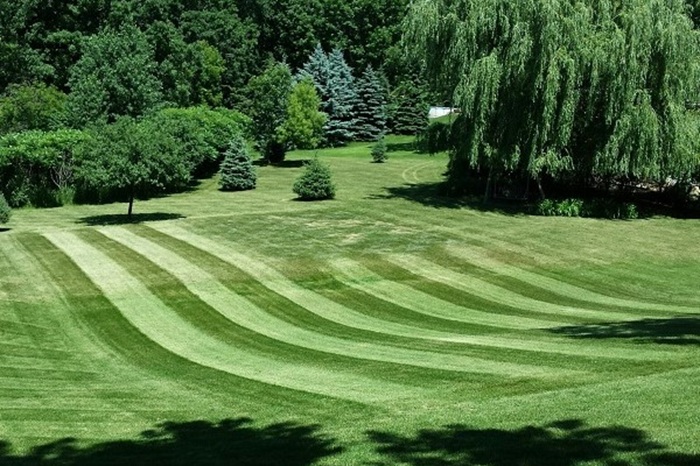
As temperatures drop and turfgrass begins to slow its growth, mowing height becomes one of the most overlooked factors affecting winter survival. The way grass is cut in late fall directly influences root strength, disease resistance, and the lawn’s ability to recover in spring. Cool-season grasses common in Minnesota rely on stored carbohydrates and healthy crowns to withstand freezing soil, snow cover, and extended dormancy. Adjusting mowing height before winter dormancy is not cosmetic—it plays a measurable role in plant physiology and cold tolerance.
Homeowners often focus on fertilization or fall cleanup but underestimate how blade length impacts energy storage and fungal risk. Understanding the ideal mowing height, the dangers of cutting too short, the risks of leaving grass too long, how leaf tissue fuels root systems, and when to schedule the final mow can significantly influence turf performance the following year. As discussed by Doehling Landscape and other experienced lawn care providers, proper mowing practices are a foundational part of winter preparation and long-term turf health.
Ideal Mowing Height Before Winter Dormancy for Cool-Season Grasses
The recommended mowing height before winter dormancy depends on turf species, but for most cool-season grasses such as Kentucky bluegrass, perennial ryegrass, and fine fescue, the ideal final height ranges between 2.5 and 3 inches. Turf-type tall fescue may remain slightly taller, closer to 3 inches. These heights balance two critical physiological needs: maintaining adequate leaf surface area for carbohydrate production while reducing excessive top growth that can trap moisture under snow cover.
Grass blades function as photosynthetic factories. During fall, cool-season turf actively stores carbohydrates in crowns and roots to survive winter dormancy. Cutting too low reduces leaf area and limits carbohydrate accumulation. Research from university turf programs consistently shows that higher mowing heights within recommended ranges promote deeper root systems and greater winter hardiness compared to short-cut turf.
Professional lawn care programs often taper mowing height gradually during late fall rather than making one drastic cut. Gradual reduction reduces plant stress and prevents shock to the crown tissue, which sits just above the soil surface and is highly sensitive to winter injury.
How Cutting Grass Too Short Increases Winter Injury and Frost Damage
Scalping turf before winter dormancy significantly increases susceptibility to cold injury. When grass is cut below recommended height, the crown becomes exposed to fluctuating air temperatures. Snow cover typically insulates turf; however, short-cut grass lacks the protective canopy that buffers freeze-thaw cycles. Repeated freezing and thawing damages crown cells and can cause winterkill.
Short mowing also reduces carbohydrate reserves. Carbohydrates stored in roots and crowns fuel respiration throughout dormancy and support early spring green-up. Turf cut too short in fall enters winter with diminished reserves, weakening its ability to survive extended snow cover and delayed soil warming. Studies in cool-season turf management confirm that lower mowing heights correlate with reduced spring density.
Scalped turf is also more vulnerable to snow mold pathogens such as Microdochium nivale and Typhula species. These fungi thrive in cool, moist conditions beneath snow. Thinned turf creates microenvironments where moisture accumulates and airflow is limited, accelerating fungal colonization.
Can Excessively Tall Grass Promote Snow Mold and Winter Matting?
While cutting too short is harmful, leaving grass excessively tall before snowfall presents its own risks. Turf taller than 3.5 to 4 inches can mat under snow cover. When grass blades collapse and form a dense layer, airflow decreases and moisture remains trapped against the crown. This creates favorable conditions for gray and pink snow mold development.
Prolonged snow cover on matted turf increases leaf tissue decay. The flattened canopy prevents drying during intermittent thaws, allowing fungal spores to proliferate. Once snow melts, affected areas often appear bleached, slimy, or circular in pattern. Recovery depends on crown health and carbohydrate reserves.
Maintaining recommended mowing height reduces both scalping damage and matting risk. Balanced height supports airflow while still providing insulation. This approach is consistently reinforced in winter turf management research and aligns with best practices outlined in regional lawn maintenance programs.
The Connection Between Mowing Height, Root Strength, and Carbohydrate Storage
Leaf blades drive photosynthesis, converting sunlight into sugars that are transported to crowns and roots. During fall, cool-season grasses increase carbohydrate storage as growth slows. These reserves power winter respiration and initiate spring regrowth. When mowing height is maintained within optimal range, sufficient leaf tissue remains available to continue photosynthesis late into the season.
Root systems are directly influenced by mowing height. Turf maintained at higher recommended heights consistently develops deeper and more extensive root systems. Deeper roots improve water uptake, nutrient absorption, and drought tolerance. Before dormancy, this root mass becomes a critical survival factor during frozen soil conditions.
Reducing mowing height too aggressively limits photosynthetic capacity and weakens root biomass. Over time, shallow-rooted turf shows increased thinning and greater susceptibility to environmental stress. Proper fall mowing supports long-term density and uniform spring green-up.
When to Schedule the Final Lawn Mow Before Winter Dormancy
The final mow should coincide with the natural slowdown of turf growth, typically when soil temperatures consistently fall below 50°F. At this point, cool-season grasses transition toward dormancy. In Minnesota climates, this often occurs in late October or early November, though timing varies based on seasonal temperature trends.
Rather than following a calendar date, monitoring growth rate provides better guidance. When vertical growth significantly decreases and mowing frequency naturally drops, it signals the appropriate window for the final cut. Cutting too early can stimulate regrowth if warm weather returns. Cutting too late, after repeated hard freezes, may damage brittle leaf tissue.
Doehling Landscape in Shakopee, MN incorporates soil temperature trends and seasonal growth patterns into its mowing schedules to align with regional climate behavior. Proper timing reduces winter stress and prepares turf for consistent spring recovery.
Professional Winter Lawn Preparation in Shakopee, MN
Preparing turf for winter requires more than a final mow. Carbohydrate management, disease prevention, soil health, and seasonal timing all work together to determine spring results. Doehling Landscape applies science-based mowing practices, fertilization planning, aeration strategies, and seasonal cleanup services to strengthen turf before dormancy.
Located at 3095 4th Ave E Shakopee, MN 55379, Doehling Landscape provides comprehensive lawn services tailored to Minnesota’s climate conditions. Their team evaluates turf type, mowing height, soil health, and disease risk to develop seasonal maintenance programs that support root strength and winter resilience. For service details or scheduling, call 952-445-4336 or contact us today.
From fall cleanup to aeration and fertilization, Doehling Landscape integrates proven turf management principles that promote stronger crowns, healthier roots, and improved spring green-up.