How Often to Mow Commercial Properties in Peak Season
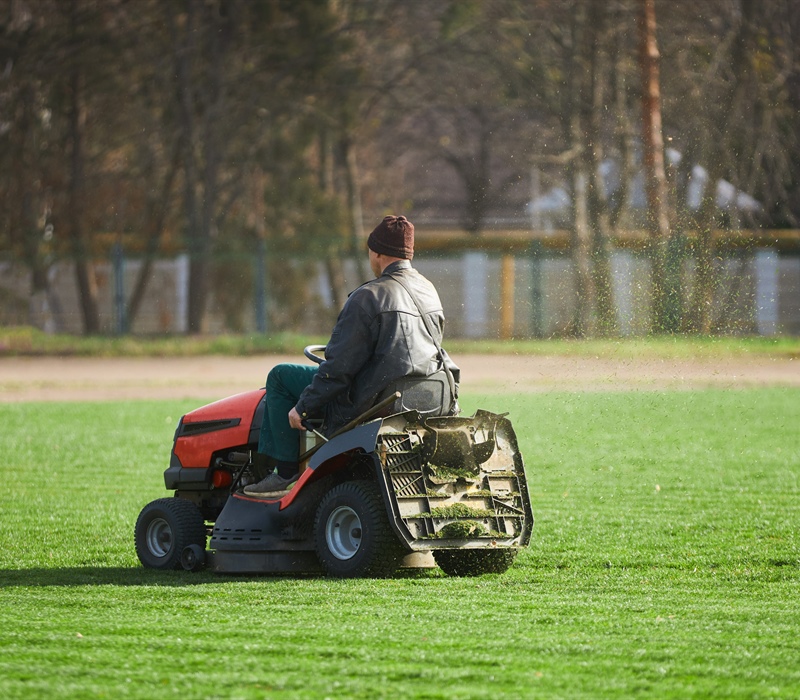
How often should a commercial property be mowed and maintained during peak growing season? In most markets, turf vigor, safety, and appearance are preserved with a weekly cut during rapid growth, paired with routine edging, litter pickup, and site policing.
When temperatures, rainfall, and fertility drive faster growth, many sites benefit from a 5–6 day mowing cadence to avoid removing more than one-third of the leaf blade at a time.
Properties with slower growth or heat-stressed turf can extend to 7–10 days by raising mowing height, sharpening blades, and adjusting irrigation. These practical adjustments prevent scalping, clumping, and mower rutting while keeping entrances, rights-of-way, and high-visibility edges consistent.
This article explores five advanced sub-topics that guide precise scheduling during peak season. The sections below provide practical, evidence-based frameworks for setting the right cadence.
For readers comparing service scopes, the term commercial services refers to bundled mowing, trimming, edging, cleanup, and site detail work delivered on a recurring schedule.
Set the Right Summer Mowing Cadence to Protect Turf Health
During peak growth, the one-third rule is the backbone of scheduling: never remove more than one-third of the leaf blade in a single event.
In cool-season regions, sustained temperatures in the 60s–80s °F with adequate moisture push rapid elongation; weekly mowing is the baseline, and high-fertility or irrigated sites often require 5–6 day intervals to keep clippings dispersible and canopy density even.
On sports-adjacent or high-profile frontages, a tighter cadence reduces visible growth flush between visits, limits clump formation, and preserves striping quality.
Warm-season turf in active growth (e.g., bermudagrass or zoysiagrass under regular irrigation) commonly performs best on a 6–7 day cycle, adjusted by height of cut and reel/rotary equipment.
Sites with heavy traffic—retail outlots, medical campuses, and hospitality edges—benefit from synchronized trimming and edging at each visit, while hardscape sweeping and debris removal keep entrances compliant and clean.
When growth slows in late summer heat, frequency can extend to 7–10 days if mowing height is raised by 0.25–0.5 inches and blades are verified sharp to avoid tissue shredding.
Practical checkpoints help decide when to compress the schedule: if post-mow clumps are visible even with dispersal, if the mower is removing more than one-third of the blade, or if turf rebounds above acceptable height before the next visit. Where medians or slopes collect runoff and outpace surrounding areas, zone-based micro-scheduling (spot mowing between full-site cycles) maintains uniformity.
Match Mowing Timing & Height to Species & Microclimate
Mowing height sets physiological limits on leaf area and root mass. For cool-season species common on commercial properties: Kentucky bluegrass performs well at 2.5–3.5 in; tall fescue at 3.0–4.0 in; perennial ryegrass at 2.0–3.0 in; and fine fescue at 2.5–3.5 in. In summer stress periods, raising height by 0.5 in increases leaf surface for photosynthesis and shades crowns, improving tolerance to heat and intermittent drought.
Warm-season species tolerate lower heights: bermudagrass at 1.0–2.0 in (lower with reels on level surfaces), zoysiagrass at 1.0–2.5 in, and St. Augustinegrass at 3.0–4.0 in to protect stolons.
Local climate and microclimate shift growth rates and blade moisture. South-facing exposures, reflective glass corridors, and wind tunnels accelerate drying and can slow elongation, allowing a slightly longer interval between cuts.
Irrigated, shaded, or low-lying turf remains cooler and wetter, often growing faster; those zones may require interim touch-ups to maintain uniformity.
Spring cleanup quality also affects summer cadence: if mats of leaf litter or thatch remain, they trap moisture and raise disease pressure, which then restricts mowing windows and forces corrective work rather than routine cuts.
Timing within the day matters. Mid-morning starts after leaf surfaces are dry, reduces clumping, and limits tire imprinting. Late-day mowing during heat spikes can stress cool-season turf; early morning mowing immediately after irrigation leaves blades turgid and prone to tearing.
For a full picture of routine offerings that interact with cut height and timing, property managers often review bundled lawn services to align expectations on edging, trimming, and cleanup integrated with mowing.
Operational Triggers for Increasing Visit Frequency
Several field indicators warrant compressing the schedule. First, growth rate: if canopy height exceeds the target by more than one-third between visits, increase frequency or raise height temporarily to avoid scalping.
Second, clipping load: visible windrows or clumps after dispersal indicate excessive removal per pass; either shorten the interval or introduce double-cutting in high-growth pockets.
Third, color and density drift: pale bands or thin areas following a long interval signal that the previous cut removed too much leaf area.
Environmental triggers include warm, wet stretches with consistent night temperatures above 60°F, which accelerate elongation and disease risk. In these windows, tighter frequency improves air movement in the canopy and disrupts pathogen favorability, particularly in cool-season turf.
High-traffic patterns—crosswalks, entry aprons, and bus stops—exhibit rebound growth from nitrogen deposition and compaction; zone-specific spot mowing mid-cycle preserves a uniform visual line across the site.
Compliance and safety considerations also drive frequency. Sightline control at intersections and monument signs, weed-seedhead suppression along walks, and litter capture standards for retail pads each benefit from more frequent visits during surges in growth.
Where ornamental beds meet turf, edging blow-out is a common early sign that the interval is too long; tightening the cadence protects bed integrity and reduces corrective re-establishment work later in the season.
Coordinate Mowing Windows With Irrigation for Clean Results
Irrigation scheduling and mowing should be planned together. Water overnight or pre-dawn and mow mid-morning after blades have dried; this reduces clumping, eliminates wheel rutting on wet soils, and produces a cleaner cut with less tearing.
Avoid mowing within a few hours after a cycle or rainfall when soils are near field capacity—soil deformation and crown bruise create lasting grade irregularities and open the canopy to weeds.
Adjust irrigation runtimes before and after cuts. On days preceding mowing, avoid surplus water that would push succulence and soft growth; after mowing, maintain normal evapotranspiration replacement rather than “catch-up” watering, which can encourage disease.
Verify precipitation rates and distribution uniformity so rapid-growth corners aren’t over-watered while wind-shadowed zones dry out; even distribution helps keep the mowing interval consistent across the site.
Clip management also interacts with irrigation. Where mulching decks return clippings, a dry canopy helps clippings sift into the thatch layer and mineralize without matting.
If conditions stay wet, switch temporarily to collection in focal areas (entry courts, plazas) to avoid cosmetic issues. Recalibrate the schedule after irrigation audits, seasonal controller changes, or nozzle retrofits, as growth patterns will shift with the new water application.
Build Flexible Schedules for Wet Spells & Drought
Weather variability demands elastic planning. In wet weeks, compress intervals and increase deck cleanout to maintain dispersal, then rotate equipment to reduce rut repetition.
Shift to lighter machines or add walk-behind passes on saturated edges and medians. In drought, extend intervals modestly and raise height to reduce evapotranspiration; confirm blades are sharp to prevent fraying that accelerates moisture loss. Where ordinances limit watering, prioritize safety and visibility strips while allowing low-use expanses to hold at a higher height of cut.
Plant growth regulators (PGRs) are useful on commercial turf to smooth growth peaks. Trinexapac-ethyl, correctly timed, reduces vertical growth and clipping volume 4–6 weeks, helping maintain appearance during staff or weather constraints.
Pair PGRs with calibrated fertility—avoid high quick-release nitrogen ahead of heat or water restrictions—to prevent flushes that outpace the planned interval. Site-specific drought triggers (soil moisture thresholds, canopy color change, or foot-traffic wilt) support objective decisions to extend the cycle without sacrificing plant health.
Communication frameworks help property managers adapt quickly. Define go/no-go criteria for saturated soils, specify alternative equipment lists, and document priority zones for interim touch-ups.
When conditions shift rapidly in Shakopee, MN, publish revisions to the weekly plan so entrances, signage zones, and pedestrian routes remain consistent. For direct coordination or schedule adjustments on active portfolios, reach out via Doehling Landscape to align timing and scope.
Get a Precise, Season-Ready Maintenance Plan
Doehling Landscape aligns mowing cadence, edging, litter control, and site detailing with the growth patterns of your property. For portfolio managers balancing irrigation, species mix, and microclimates, our team builds zone-based schedules that hold the one-third rule, protect sightlines, and keep entrances camera-ready.
Call 952-445-4336 or visit our contact page to coordinate timing, scope, and reporting.
When you’re ready to formalize intervals for high-growth periods, validate heights by species, and implement contingency paths for wet or drought conditions, request a free estimate, and we’ll map the right schedule to your fronts, corners, and medians.