Role of Soil Testing in Effective Lawn Care
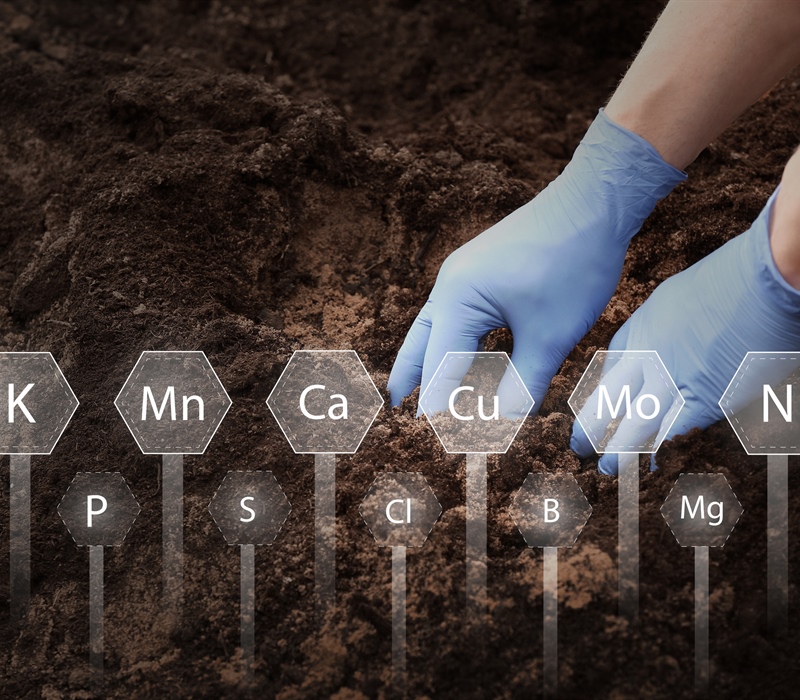
Healthy, green lawns don’t happen by accident. The foundation of effective lawn care starts below the surface, in the soil. Soil testing is the process of analyzing the soil’s composition, pH, and nutrient levels to understand what your lawn truly needs.
By identifying whether the soil is too acidic, too alkaline, or lacking in key nutrients, soil testing provides the facts needed to create a tailored care plan. Without this step, lawn care often becomes guesswork—leading to wasted effort, unnecessary costs, and results that fall short of expectations. Doehling Landscape emphasizes that lawns thrive best when care is based on precise information rather than assumptions, and soil testing is the first step in achieving that balance.
This article explores soil testing in depth, starting with how lawn soil pH is tested and why it matters. We’ll look at common nutrient deficiencies that affect Minnesota lawns, and examine how often soil testing should be done to keep lawns at their best. For homeowners who want strong, resilient lawns, understanding soil testing is just as important as choosing the right lawn services.
How Lawn Soil pH Is Tested & Why It Matters
Soil pH is one of the most critical factors influencing lawn health because it determines how available nutrients are to grass roots. Testing soil pH typically involves collecting small samples from multiple areas of the lawn and sending them to a certified lab for analysis.
These tests measure the balance of acidity and alkalinity on a scale of 0 to 14, with 7 being neutral. Lawns in Minnesota generally grow best in slightly acidic conditions, with a pH between 6.0 and 7.0. A reading outside this range signals that certain nutrients may become “locked” in the soil, making them inaccessible to grass even if they are present.
When soil pH is too low (acidic), essential nutrients like phosphorus and potassium may be less available, while toxic elements like aluminum may increase. Conversely, if soil pH is too high (alkaline), micronutrients such as iron and manganese can become unavailable, leading to issues like chlorosis.
These imbalances often show up as yellowing, thinning, or uneven grass growth. By identifying the soil’s pH accurately, lawn care decisions can be tailored to correct imbalances through lime or sulfur applications, ensuring the lawn receives nutrients efficiently.
pH testing directly affects long-term lawn health. Adjusting soil chemistry helps fertilizers perform as intended, improving nutrient uptake and reducing waste. Without proper testing, homeowners often apply fertilizers or treatments blindly, which may not solve the problem and can even worsen conditions. Professional lawn services rely on pH test results to design strategies that improve soil structure, nutrient efficiency, and overall turf vigor.
Common Nutrient Deficiencies in Minnesota Lawns
Lawns in Minnesota face unique nutrient challenges due to the region’s soil composition, weather conditions, and organic matter content. One of the most common deficiencies is nitrogen, which directly affects grass color, density, and growth. Without adequate nitrogen, lawns appear pale, grow slowly, and become more vulnerable to weeds.
Phosphorus deficiencies are also an issue, particularly in soils that have been depleted by years of turfgrass growth without replenishment. This nutrient is crucial for root development and early growth stages. Another frequent concern is potassium deficiency. Potassium plays a vital role in improving stress tolerance, disease resistance, and cold hardiness.
In a northern climate like Minnesota, where freezing winters place significant stress on turf, a lack of potassium can reduce a lawn’s ability to recover in spring. Micronutrient deficiencies, such as iron, manganese, and zinc, also occur in alkaline soils. These typically manifest as interveinal chlorosis, where the leaf tissue turns yellow while veins remain green.
Understanding these nutrient imbalances allows homeowners and professionals to apply fertilizers in a way that directly addresses specific deficiencies rather than relying on generalized applications. Resources such as Doehling Landscape Services provide insight into how local soil conditions affect nutrient availability and the types of amendments that deliver the greatest benefit.
How Often Should Lawn Soil Be Tested in Minnesota?
Soil testing is not a one-time activity. Conditions in the soil change over time due to fertilizer use, rainfall, irrigation, mowing practices, and natural nutrient depletion. For Minnesota lawns, experts recommend testing soil at least every three years to monitor changes in pH and nutrient levels. More frequent testing may be needed if the lawn experiences recurring issues such as poor growth, persistent weeds, or visible nutrient deficiencies.
Seasonal timing also matters. The best times to test soil are in spring or early fall, before major fertilizer applications. This timing allows adjustments to be made before peak growing seasons or before winter dormancy. If a lawn undergoes significant renovation, such as seeding, sodding, or major landscaping work, testing beforehand ensures that the soil provides the right foundation for new turf establishment.
Consistent testing creates a long-term record of soil health, making it easier to identify trends and predict future needs. This record helps avoid over-application of fertilizers and prevents soil from swinging between extremes of deficiency and excess. By committing to a schedule of testing, homeowners gain a reliable roadmap for maintaining balanced soil conditions and reducing costly trial-and-error approaches to lawn care.
How Soil Test Results Guide Fertilizer Choices
Soil test results provide detailed recommendations on the type and amount of fertilizer a lawn requires. Instead of relying on generic blends, soil data pinpoints whether a lawn needs more nitrogen, phosphorus, potassium, or micronutrients. This approach ensures that fertilizers deliver what the soil actually lacks rather than creating nutrient surpluses that can harm grass or leach into groundwater.
For example, a test showing low phosphorus would call for a starter fertilizer high in phosphorus to strengthen root development. Conversely, if potassium levels are low, a fertilizer with a higher potassium ratio is appropriate to improve resilience against stress. Nitrogen recommendations are typically tied to turf type, expected lawn use, and growth goals, with specific amounts suggested for the season.
Beyond nutrient levels, soil tests may also reveal organic matter content and cation exchange capacity, both of which affect how nutrients are stored and released. By aligning fertilizer choices with these results, homeowners reduce waste and improve efficiency. This evidence-based approach improves lawn health while reducing unnecessary inputs, which strengthens long-term sustainability in turf care.
How Soil Testing Helps Reduce Lawn Chemical Use
One of the strongest benefits of soil testing is its role in reducing the reliance on lawn chemicals. By identifying exact nutrient needs, soil testing minimizes the use of blanket fertilizer or herbicide applications that may not be necessary. This precision not only saves money but also reduces environmental impact by limiting the runoff of excess chemicals into waterways.
Balanced soil creates conditions where grass is naturally stronger, thicker, and more resistant to weeds and pests. Healthy turf reduces the need for chemical interventions because dense grass outcompetes weeds and withstands pest pressure more effectively. For example, correcting a potassium deficiency can significantly improve disease resistance, reducing the need for fungicide applications.
Soil testing also encourages the integration of organic amendments, such as compost, that improve soil health without relying heavily on synthetic chemicals. By building fertility in a targeted, sustainable way, soil testing helps achieve the dual goals of maintaining lush, green lawns while protecting environmental quality. This approach underscores why Doehling Landscape recommends testing as a foundation for long-term lawn success.
Professional Support for Soil Testing & Lawn Care
Doehling Landscape has built a reputation in Shakopee and the surrounding communities for lawn care strategies grounded in proven practices. Whether it’s developing a seasonal fertilization plan, adjusting pH levels, or managing nutrient deficiencies, our team uses soil science as the foundation for healthier, more resilient lawns. For homeowners who want reliable, consistent results, expert guidance backed by testing makes all the difference.
For tailored lawn solutions, contact Doehling Landscape at 952-445-4336. Homeowners can also request a free estimate online to get started. With professional insight and precision care, soil testing becomes the key to unlocking long-term lawn health and curb appeal.