Why Edge Trimming Matters for Commercial Lawn Mowing
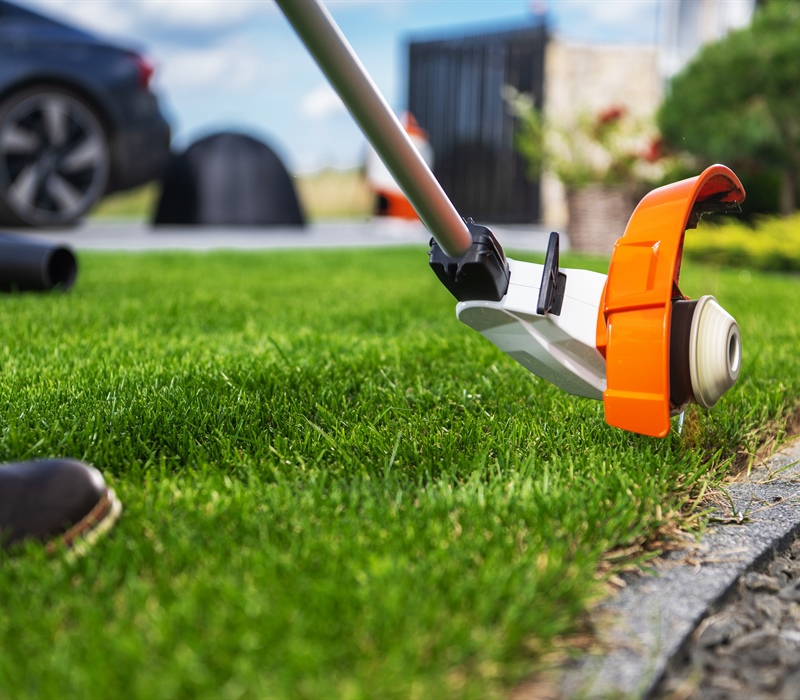
Maintaining a polished and professional outdoor space is a top priority for businesses, and edge trimming plays a key role in achieving that look. While mowing keeps grass at a uniform height, edging defines boundaries along sidewalks, driveways, and landscaped areas, creating a clean and intentional finish.
For commercial properties, this sharp detail helps establish a positive first impression for clients, employees, and visitors by reflecting care and attention to detail. Doehling Landscape emphasizes that curb appeal is more than a surface-level concern—it is a sign of professionalism that speaks volumes about a company’s standards.
In this article, we’ll explore why edge trimming is such an important part of commercial lawn care, and businesses can see how edging elevates regular mowing into a complete maintenance strategy. For those looking at broader grounds management, Doehling Landscape offers commercial services that cover every detail of property care.
How Edge Trimming Enhances the Appearance & Professionalism of Business Grounds
Edge trimming impacts more than just aesthetics—it is an important factor in the overall perception of a business property. When grass is neatly defined along walkways, driveways, and curbs, it communicates precision and attention to detail.
A lawn that looks carefully maintained suggests that the company takes pride not only in its landscape but also in its operations, reflecting positively on its professionalism.
For commercial properties, where first impressions influence client confidence, edging reinforces a message of order and care.
From a design standpoint, edging also helps separate functional areas such as sidewalks from turf, giving the grounds a structured and well-planned appearance. This creates visual clarity, guiding visitors naturally through pathways and entry points while keeping focus areas sharp and attractive.
Without edging, even well-mowed lawns can appear unkempt or unfinished, diminishing the effect of professional mowing services.
Incorporating edging into routine maintenance highlights the difference between basic upkeep and a polished presentation. Businesses that want to consistently project professionalism should view edging as part of a comprehensive grounds care plan.
Property managers working with providers of commercial services often see that edging transforms the look of an entire landscape by adding clean lines and defined borders.
Best Tools & Methods for Clean & Consistent Edging on Commercial Sites
Achieving uniform and consistent edging across large commercial properties requires the right combination of equipment and technique. Professional crews often rely on power edgers or string trimmers with metal blades for precision along concrete surfaces, curbs, and hardscape borders.
These tools allow operators to cut grass roots below the soil surface, creating a lasting, sharp line that resists overgrowth for a longer period. Handheld manual edgers, while effective for small areas, are typically impractical for expansive commercial grounds.
Consistency in edging also depends on operator skill. Maintaining a steady pace, angle, and depth ensures that the cut line remains even across long stretches of sidewalk or parking lot.
Crews trained in standardized edging techniques can prevent uneven lines, scalping, or damage to adjacent turf. For commercial landscapes, where presentation standards are high, uniformity in edging is as important as the mowing itself.
In addition to tools, timing matters. Performing edging when the soil is neither overly dry nor wet produces cleaner results. Pairing edging with other lawn services like fertilization and aeration supports healthier turf and reduces the risk of weak growth along borders.
By combining appropriate tools with skilled technique, businesses can maintain a consistent and professional appearance across all property edges.
How Often Edge Trimming Should Be Performed Alongside Commercial Mowing
The frequency of edge trimming is closely tied to mowing schedules and the rate of grass growth. On most commercial properties, trimming is best performed every one to two weeks during the peak growing season.
This schedule aligns with mowing, ensuring that lines remain sharp and overgrowth does not encroach onto sidewalks or driveways. Neglecting edging for extended periods allows grass to spread laterally, making the task more labor-intensive when it is finally addressed.
Seasonal growth patterns also influence frequency. In spring and early summer, when turf growth is most aggressive, edging may need to be performed weekly. During slower growth phases in late summer or early fall, trimming can often be reduced to every other mowing cycle. This approach balances efficiency with maintaining consistent appearance standards for commercial landscapes.
Commercial properties with heavy foot traffic or high visibility—such as retail centers, office parks, and healthcare facilities—often require more frequent attention to maintain the desired presentation. By integrating edging into routine maintenance cycles, grounds remain orderly and attractive year-round, reinforcing a sense of professionalism in all conditions.
Reducing Weed Growth Along Sidewalks & Curbs with Edge Trimming
Edge trimming is not only a cosmetic task; it plays a functional role in reducing weed encroachment along hardscape areas. By creating a defined boundary and cutting below the soil line, edging disrupts weed growth patterns and removes the conditions where invasive species can establish themselves.
This preventative measure minimizes the likelihood of weeds spreading into sidewalk cracks, curbs, and other paved surfaces where removal is more challenging.
When combined with other lawn care practices such as fertilization and pre-emergent weed treatments, edging creates an inhospitable environment for weeds. It prevents turf from creeping into pavement seams, reducing both the visual clutter and the maintenance burden of manual weed removal.
For commercial properties, where neat presentation is tied to reputation, this added layer of weed control is a valuable benefit of routine edging.
Edging also helps maintain clear separation between mulch beds, turf, and pavement, further reducing opportunities for weed infiltration. Over time, this consistent boundary management contributes to healthier turf stands and less competition from invasive plants, ensuring that landscaped areas remain defined and orderly without excessive chemical intervention.
The Role of Edge Trimming in Property Inspection & Presentation Standards
Commercial properties are often subject to inspections, whether from corporate management, local authorities, or clients evaluating the site. Edge trimming directly impacts how a property performs under such evaluations.
Clean edges signal that grounds are maintained with precision and care, helping businesses meet strict appearance standards often required in commercial leasing agreements or regulatory guidelines.
For industries such as retail, hospitality, and healthcare, presentation is directly linked to customer perception. Properties with crisp, well-maintained edges demonstrate a commitment to detail and safety, as overgrown turf near walkways can create hazards or accessibility issues.
Inspectors and visitors alike equate these small details with overall operational standards, making edging an important factor in broader property evaluations.
Regular edging also reduces long-term maintenance challenges, allowing properties to consistently present themselves at their best. By aligning routine edging with mowing cycles and broader landscape management practices, businesses can uphold presentation standards while reducing the risk of compliance issues.
For site managers, connecting with providers like Doehling Landscape ensures that edging supports not only aesthetics but also inspection readiness.
Partner with Doehling Landscape for Complete Commercial Lawn Care
Edge trimming is more than a finishing touch—it is a necessary component of maintaining professional, safe, and well-presented business grounds. From enhancing curb appeal to supporting weed control, edging ensures that properties remain sharp and inspection-ready.
Doehling Landscape provides a full range of commercial lawn and landscape solutions designed to meet the expectations of businesses throughout Shakopee and the surrounding area.
With proven expertise and a reputation for reliability, our team delivers consistent quality across every service, from mowing and fertilization to irrigation and edging. Businesses benefit from professional grounds care that reflects positively on their operations while reducing long-term maintenance challenges.
If your company is ready to strengthen its outdoor presentation, contact Doehling Landscape today for a free estimate, or our team is available at 952-445-4336 to discuss tailored solutions for your commercial property. With Doehling Landscape, your grounds will always project the professionalism and attention to detail your business deserves.